Warm Up Your Brand: The Orange Color Palette with Hex Codes
There’s a reason certain brands feel instantly approachable, energetic, and trustworthy the moment you see them. More often than not, the secret lies in their strategic use of color. While blue might signal corporate stability and green whispers of growth, orange is the bold handshake of the color wheel. It commands attention without the aggression of red, offering a unique blend of enthusiasm and friendliness. For small business owners and solopreneurs, mastering this hue is a game-changer. That’s exactly why having a curated Orange Color Palette with Hex Codes is an indispensable asset in your creative toolkit. It bridges the gap between raw creativity and technical precision, ensuring your brand voice is not just seen, but felt.
The Visual Personality of Orange
Understanding an orange color palette goes beyond just picking a bright tint. Orange is a complex color that carries significant psychological weight. It is the color of sunsets and citrus, evoking feelings of warmth, vitality, and optimism. In the realm of modern typography and graphic design, orange is often used to highlight calls to action or to create a focal point that the eye naturally gravitates toward. However, the "personality" of your brand depends entirely on the specific shade you choose.
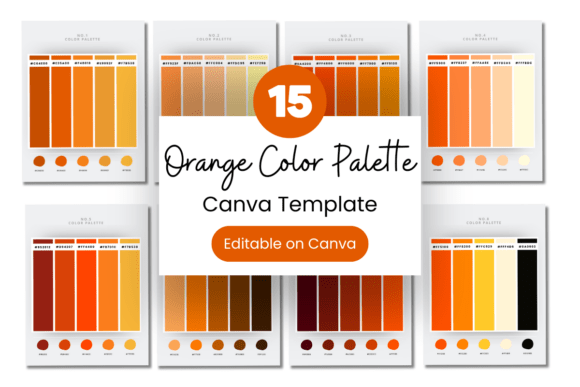
A deep, burnt orange suggests stability, autumnal warmth, and artisanal quality—perfect for a coffee roaster or a boutique clothing line. On the other hand, a neon or electric orange screams innovation, tech-savviness, and youth—ideal for a fitness app or a digital marketing agency. When you utilize a pre-made template containing 15 variations, you are essentially unlocking a spectrum of moods. You move from the playful peach tones suitable for a wedding planner to the rich terracotta hues that ground a home decor brand. This versatility makes the orange color palette a surprisingly adaptable design asset for diverse industries.
Strategic Applications: From Logo Design to Digital Presence
The true test of a color palette is how well it translates across different mediums. A common mistake in web design and brand identity is choosing a color that looks great on a mood board but fails in execution. An orange palette shines because of its high visibility, but it requires strategic placement.
In logo design, orange works exceptionally well for brands that want to appear accessible and innovative. Think of how major delivery services and home improvement stores use it to signal action and capability. For editorial design and packaging design, orange is a powerhouse. It pops beautifully against neutral backgrounds like white, cream, or charcoal, making product photography stand out on crowded shelves or busy social media feeds.
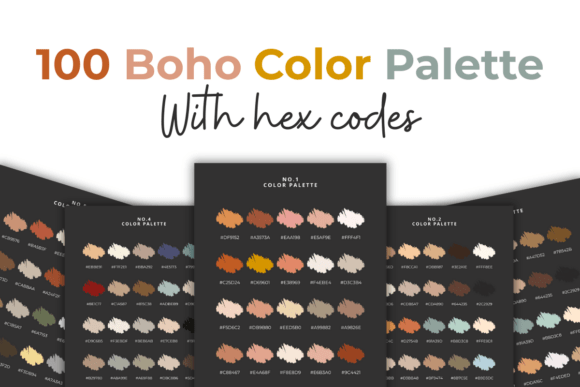
When it comes to social media graphics, the attention span of your audience is short. An orange accent color can stop the scroll. It provides the necessary contrast to make text legible over images or to create eye-catching Instagram Stories. Furthermore, in print design, orange maintains its vibrancy better than many pastels, ensuring that your business cards, flyers, and brochures retain their intended impact even after being printed. By using a template with specific Hex codes, you eliminate the guesswork. You aren't just saying "make it orange"; you are providing exact instructions (like #FFA500 or #E65100) to ensure consistency across every touchpoint, from your website header to your email newsletter.
Practical Guidance for Implementation
Adopting a new color palette isn't just about aesthetics; it's about functionality. Here is how to get the most out of your orange color palette resources:
- Evaluate Contrast and Readability: Orange is a warm color that can sometimes vibrate against cool backgrounds or cause eye strain if overused. When selecting your hex codes, pay attention to the visual hierarchy. Use lighter, pastel oranges for large background areas and darker, burnt oranges for text or headers to ensure readability.
- Master Font Pairing: The energy of orange needs an anchor. Pairing an orange color scheme with a clean sans serif font creates a modern, tech-forward look. Conversely, pairing it with a classic serif font can lend an air of traditional elegance to the warmth of the palette. Avoid using overly decorative script fonts in orange for body text, as legibility will drop significantly.
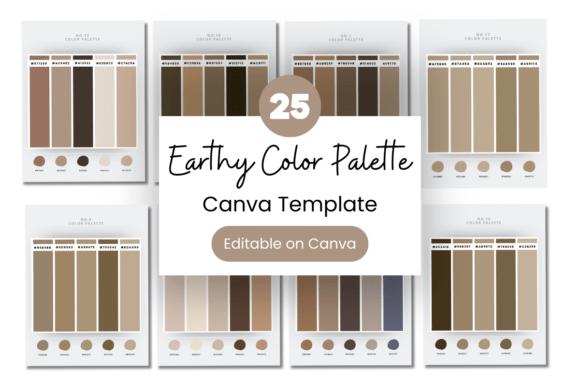
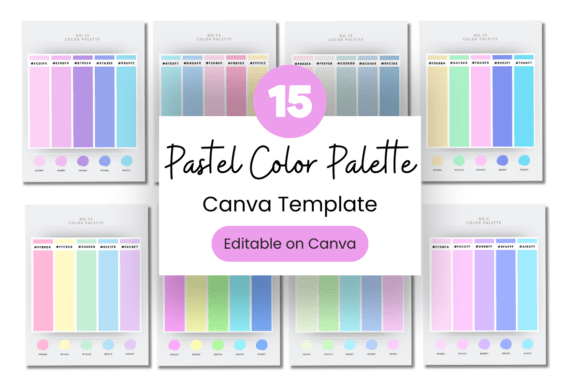
- Consistency is Key: Once you choose your primary and secondary oranges, stick to them. Use the Hex codes provided in your Canva template to update your brand kit. This ensures that whether you are designing a presentation or a flyer, your brand identity remains cohesive and professional.
- Test Your Pairings: Don't just settle for orange and white. Experiment with complementary colors. Navy blue and orange create a classic, high-contrast corporate look. Teal and orange offer a retro vibe. Grey and orange feel sleek and industrial.
This particular resource is designed with the busy entrepreneur in mind. Created using Canva software, it removes the technical barriers often associated with design. You don't need to be a Photoshop expert to implement professional color theory. The templates are fully editable and customizable, allowing you to tweak the saturation or brightness to perfectly match your vision. Because it utilizes free Canva elements, you won't encounter hidden fees or licensing issues when you download your final assets. It is a practical, reusable tool that empowers you to make confident design decisions, ensuring your brand looks as energetic and reliable as the services you provide.