Shapes Worksheets Trace,Color Activities: A Creative Guide
Why These Activities Are More Than Just Child's Play
When we talk about Shapes Worksheets Trace,Color Activities, it's easy to dismiss them as simple preschool exercises. But for those of us in design, marketing, and content creation, these foundational activities offer a masterclass in core visual principles. Think of it as returning to the studio to re-sketch the basics. The process of meticulously tracing a circle, square, or triangle isn't just about fine motor skills; it's about understanding the inherent geometry that underpins all effective logo design and brand identity. The deliberate act of tracing builds muscle memory for clean lines and balanced forms, a skill that translates directly to creating vector graphics or selecting a premium font with the perfect x-height and counter.
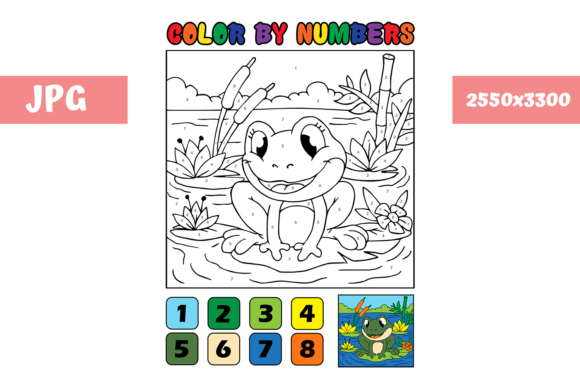
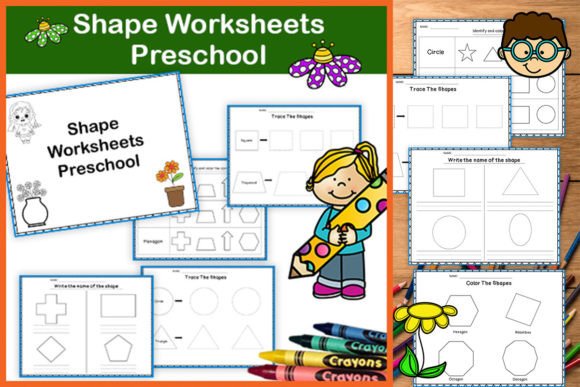
The "Color The Shapes" component is where strategic thinking begins. Encouraging the use of different colors and patterns isn't merely an artistic outlet. It’s an early lesson in color theory, contrast, and visual hierarchy. A child deciding to make a triangle red and the surrounding circles blue is making a decision about focal points and separation—the exact same decision a web designer makes when choosing a display font for a headline versus a sans serif font for body copy. This activity cultivates an intuitive sense of how shapes and colors interact to guide the viewer's eye, a critical skill for creating effective social media graphics or packaging design.
Integrating Foundational Skills into Modern Workflow
The true value of these worksheets lies in their structured approach to learning, which can be adapted for professional development. The "Write The Shape Names" activity, for instance, reinforces the connection between a visual symbol and its linguistic label. This is the bedrock of clear communication in any editorial design project. Ensuring a reader instantly understands that a pentagon icon represents a five-star rating system requires this same fundamental clarity. Similarly, the "Identify and Color Correct Shapes" exercise sharpens pattern recognition and attention to detail—skills that are indispensable when evaluating font pairings or ensuring consistency across a multi-page design assets package.
For entrepreneurs and small business owners, these principles are directly applicable. A creative font with unique, hand-drawn qualities might evoke the same warmth and authenticity as a child's colorful shape drawing, perfect for a boutique brand. Conversely, a clean, geometric modern typography suite built on squares and circles communicates efficiency and reliability. The exercise of tracing and coloring shapes is, in essence, a simplified model for the entire design thinking process: define the form, apply style, ensure recognition, and communicate meaning.
Practical Applications for the Creative Professional
How can you, as a designer or marketer, practically apply the lessons from Shapes Worksheets Trace,Color Activities? Start by using them as a warm-up or brainstorming tool. Sketch basic shapes to map out the structure of a new infographic or the layout of a landing page. Use the coloring phase to experiment with color palettes for a client's brand refresh. The constraint of working with basic forms can spark innovative solutions for logo design or icon sets.
Furthermore, consider the mindset these activities promote. They encourage patience, precision, and playful experimentation—qualities that prevent creative burnout. When evaluating a new typeface for a project, apply the same scrutiny as a child tracing a shape: examine its curves, its angles, and its weight. Does the serif font you're considering have the sturdy base of a rectangle, or the elegance of an oval? This tactile, observational approach can lead to more intentional and effective typography choices, whether you're selecting a script font for a wedding invitation or a handwritten font for a casual blog.
Ultimately, these worksheets are a tool for revisiting and strengthening the visual literacy that is the currency of our professions. They remind us that every complex design, every successful brand, and every engaging piece of content is built upon a foundation of simple, understood shapes and the deliberate choices made in presenting them. By integrating this foundational practice, you can enhance your creative process, improve your eye for detail, and bring a renewed clarity to all your visual projects.