Exploring the Diverse Collection of Color Line Icons a
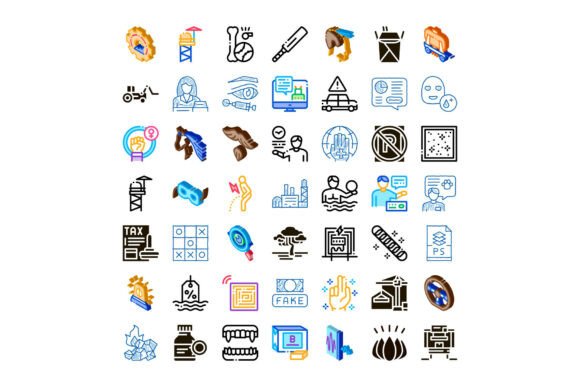
When you first encounter the Diverse Collection of Color Line Icons a, it’s less like finding a single typeface and more like discovering a complete visual language. This isn’t just a set of symbols; it’s a meticulously curated asset pack designed to bridge the gap between complex ideas and instant visual recognition. For the entrepreneur building a presentation, the designer crafting a mobile app, or the blogger trying to break up a wall of text, this collection offers a solution that feels both professional and playful. The defining characteristic here is the "color line" style—think of clean, consistent linework that is then filled or accented with vibrant, flat colors. This approach avoids the dated look of heavy drop shadows or the stark coldness of pure monochrome, striking a modern balance that feels fresh and approachable.
The Anatomy of Visual Clarity
What makes the Diverse Collection of Color Line Icons a stand out in a sea of design assets is its versatility across different fields. The collection draws from a wide thematic range, covering everything from the structured world of finance and business to the nurturing sectors of education and medical care. Visually, the icons maintain a consistent stroke weight and grid, which is crucial for brand identity. If you are assembling a logo design concept or building a user interface, consistency is non-negotiable. You don’t want a jagged, hand-drawn icon sitting next to a highly geometric one unless that contrast is intentional. Here, the style is unified, ensuring that whether you are representing "abstract ideas" or "everyday situations," the visual voice remains steady.
The "personality" of this collection is decidedly modern and helpful. It steers away from overly abstract or obscure symbolism, which can confuse users, and instead opts for clear metaphors. This is particularly useful in web design and social media graphics, where you have a fraction of a second to grab attention. A user scrolling through a feed is more likely to pause on a post that uses these crisp, colorful icons to illustrate a point than one that relies solely on text. For the marketer or content creator, this collection acts as a shortcut to professionalism, allowing you to elevate the visual hierarchy of your work without needing a degree in graphic design.
Strategic Applications for Modern Creators
Understanding where to deploy the Diverse Collection of Color Line Icons a is just as important as having it in your toolkit. Let’s break down the practical applications for your specific needs. If you are working in editorial design or publishing, these icons are perfect for breaking up long-form content. Instead of generic bullet points, using a relevant icon to introduce a new section of a whitepaper or an e-book can significantly improve readability and keep the reader engaged. It’s a subtle form of modern typography enhancement that respects the reader’s time by guiding their eye.
For those in the business and startup space, the collection is a goldmine for packaging design and pitch decks. Imagine you are presenting a new fintech app. Using the finance-themed icons from this collection to illustrate your workflow—such as a piggy bank for savings or a graph for growth—adds a layer of polish that investors and clients notice. It signals that you care about the details. Similarly, in packaging design for physical products, these icons can convey usage instructions, product features (like "organic" or "tech-enabled"), or safety warnings in a way that transcends language barriers.
Furthermore, the adaptability of the Diverse Collection of Color Line Icons a makes it a strong contender for merchandise and craft projects. Because the line work is clean, it scales well. Whether you are screen printing a tote bag, creating stickers for a planner, or designing a sublimation mug, the vector nature of these icons ensures they remain crisp. This is a massive advantage for hobbyists and small business owners selling on platforms like Etsy; you can create a cohesive product line that looks professional without commissioning expensive custom illustration work for every single item.
Integrating Icons into Your Design Ecosystem
Simply having a premium font or icon set isn't enough; integration is key. When using the Diverse Collection of Color Line Icons a, consider the font pairing strategy for your project. These icons generally pair best with clean, geometric sans serif font families. The simplicity of a sans serif allows the color and detail of the icons to shine without competing for attention. However, if your brand leans towards a more editorial or luxurious aesthetic, pairing these icons with a crisp serif font can create a beautiful tension between traditional typography and modern iconography.
Avoid the temptation to use a script font or handwritten font alongside these icons unless you are very careful with spacing and scale. The "line" style of the icons is precise and structured; a chaotic script can sometimes muddy the waters. The goal is to maintain a clear visual hierarchy. The icons should support the text, not fight with it. This is a common pitfall in design assets management—treating every element as the hero. In reality, the icon is the supporting actor that makes the hero (your message) look good.
When evaluating this collection for commercial use, always check the licensing terms. For commercial font and asset usage, you need to ensure that the license covers your specific output, whether it's unlimited print runs for merchandise or digital distribution for an app. Most high-quality collections like this come with a license that allows for broad commercial use, but it’s a professional habit to verify. Look for the included styles within the collection; often, you will find variations in weight or color themes. Using these variations can help you establish a secondary visual language—for instance, using a lighter stroke for background elements and a bolder, more colorful version for primary call-to-action buttons.
Practical Tips for Testing and Implementation
Before you fully commit to building your entire brand identity around the Diverse Collection of Color Line Icons a, run a few tests. Place the icons in their intended environment. If it’s a website, mock up a landing page. If it’s a report, print a test page. Check the readability of the icons at small sizes—do the colors blur together? Do the lines lose definition? This is especially important for mobile web design, where screen real estate is limited.
Also, consider the color palette. While the collection comes with pre-set colors, a major strength of these vector assets is the ability to recolor them. Match the icons to your specific brand palette. This small step transforms the icons from a "stock asset" into a bespoke part of your toolkit. By taking the time to customize and thoughtfully integrate the Diverse Collection of Color Line Icons a, you move beyond generic design and start building a visual system that truly communicates your unique value proposition to your audience. It’s about working smarter, not harder, to create designs that resonate and convert.